


2026 Avian Influenza Update
Last updated: January 2026
England is currently in an avian influenza prevention zone (AIPZ) with mandatory biosecurity measures.
If you have 50 or more birds you must house them. This applies to all types of birds.
If you keep less than 50 birds and they are for your own use only (for example you do not sell or give away their eggs or meat), you do not have to house them.
If you keep less than 50 birds but you do sell or give away their eggs, poultry products or live birds, you must house them. These birds are known as ‘poultry’.
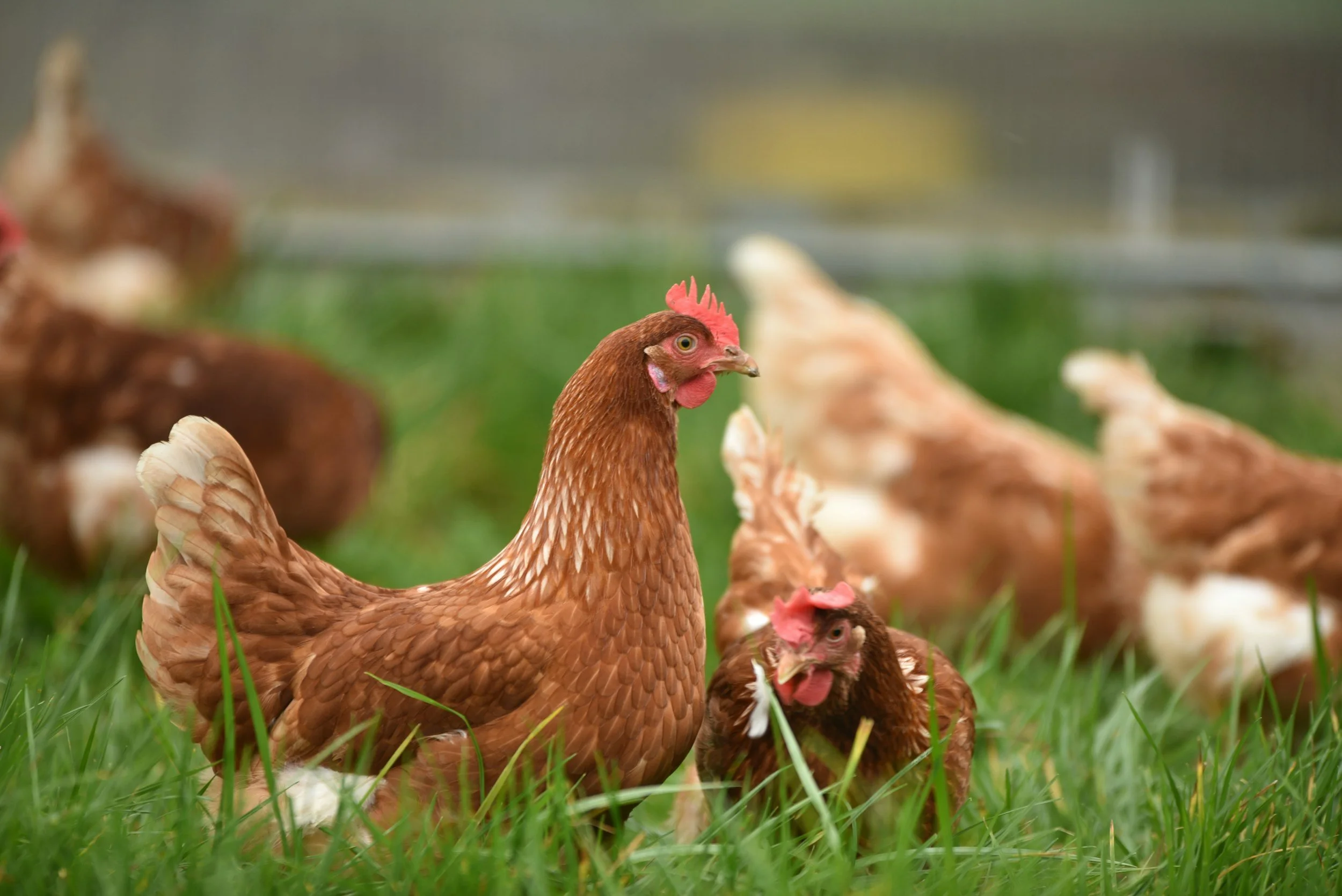
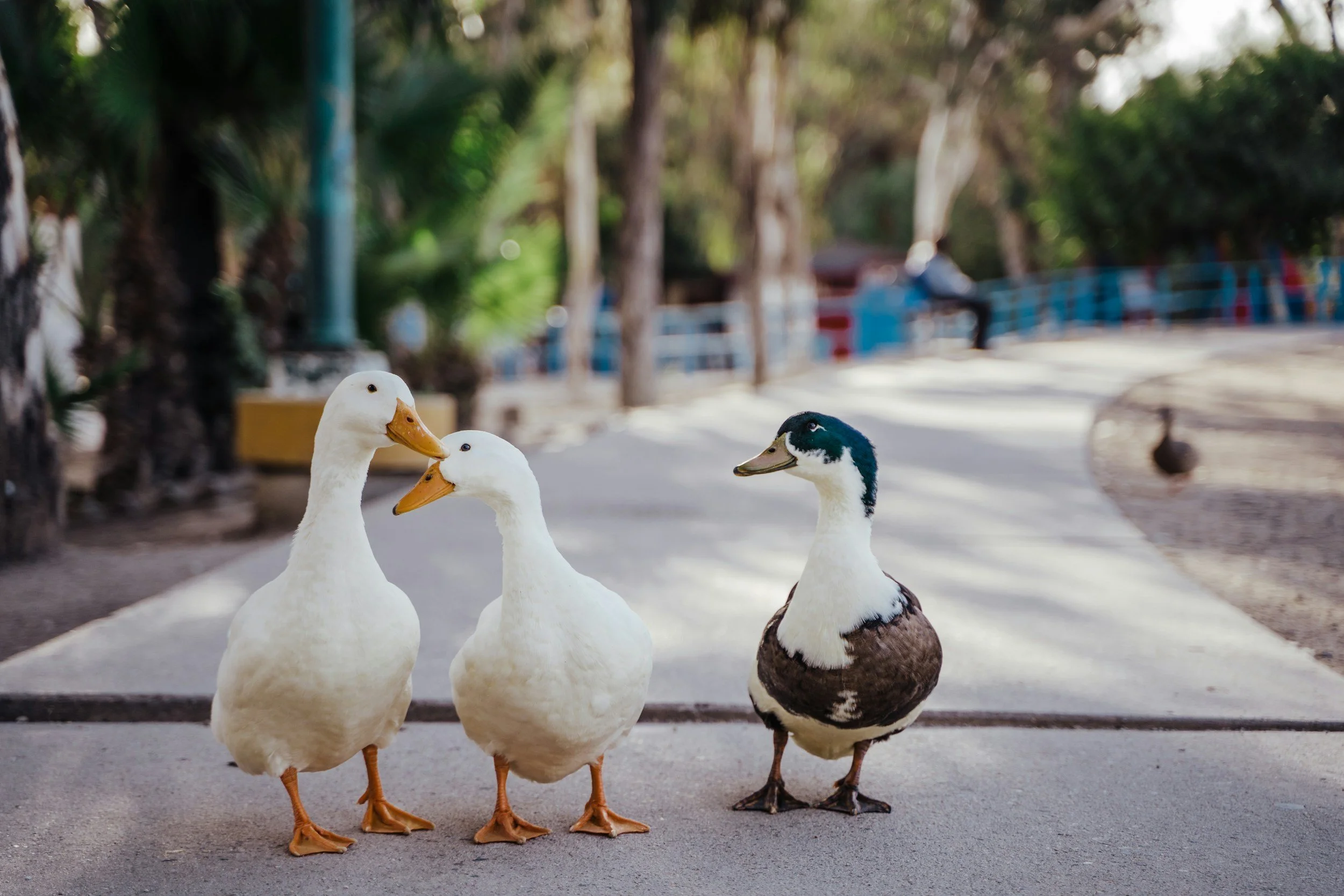
If you have a sick or injured chicken or duck…
Please contact us by telephone - regardless of history, all poultry/waterfowl must currently be telephone assessed by a vet prior to attending the practice.
The vet will make a decision as to whether to see your bird:
o Outside the practice – if they have any concerns about Avian Influenza
o Inside the practice - if they are satisfied that there is a very low risk of Avian Influenza
Our team may wear additional PPE to examine your bird when you arrive, and you may be asked to wait outside with your bird on arrival.
Your bird may be seen in a different area of the practice to other pets – this is to protect both your own, and other, bird(s) who visit the practice.
—
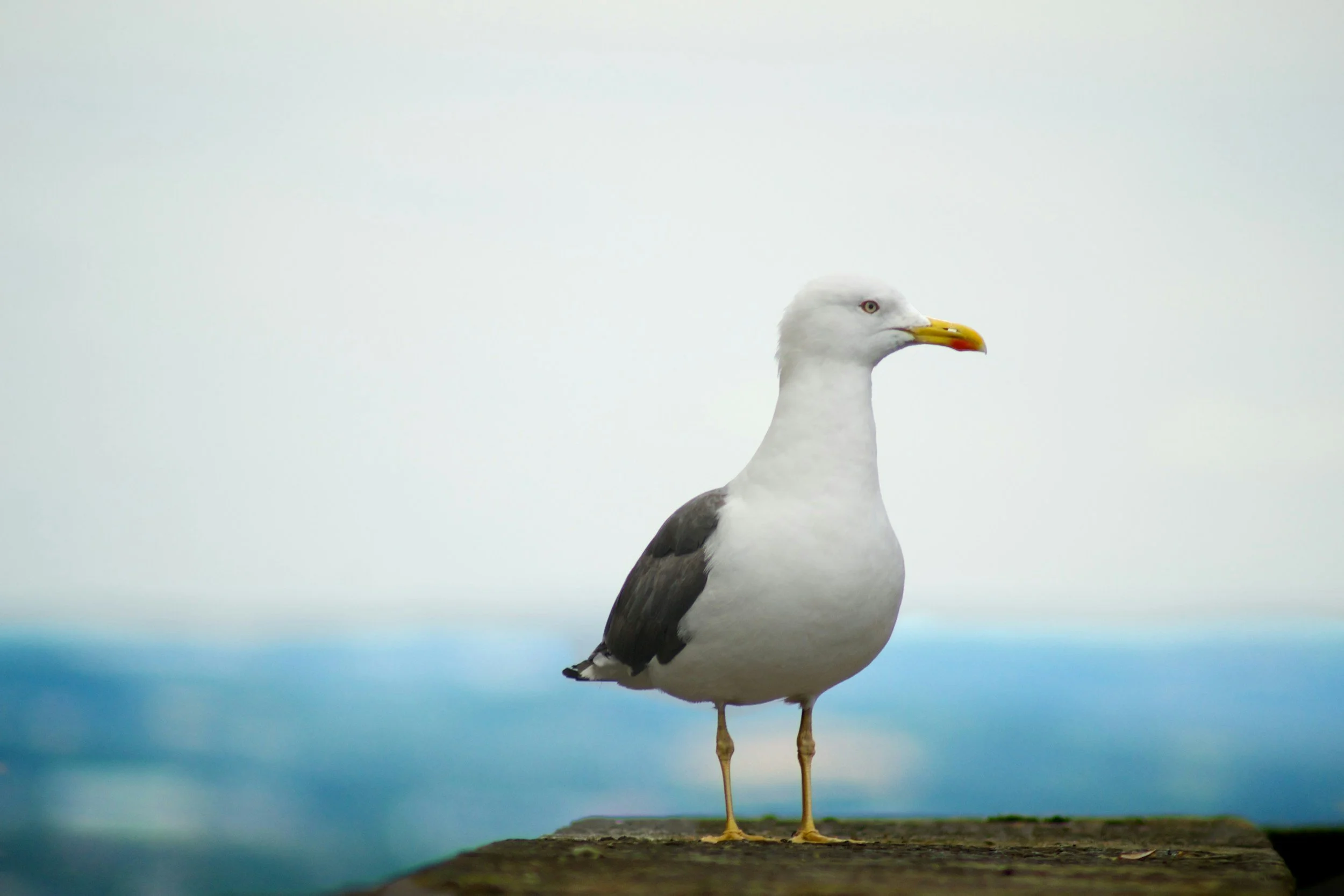
Wild birds…
Members of the public should not pick up obviously sick birds, or handle dead birds.
Guidance for dead wild birds:
Members of the public finding dead wild birds should report them to Defra via the online reporting system (above)
Members of the public should not touch, pick up or transport dead or sick birds.
If you have found a dead wild bird, please DO NOT bring it into the practice
PLEASE CALL THE PRACTICE FOR FURTHER ADVICE
Please use the Defra reporting system for dead wild birds at:
https://www.gov.uk/guidance/report-dead-wild-birds
Or call the Defra helpline (03459 33 55 77)
The exact location using What3words, postcode, or map coordinates of where the carcase was found is required as part of the reporting system.
DEFRA may arrange to collect the carcase(s) for further testing.
Guidance for sick or injured wild birds:
Sick birds may be reported to the RSPCA (0300 1234 999) where an in-situ assessment and further course of action will be taken, including euthanasia and disposal if appropriate.
However, members of the public should be aware that ultimately the local council is responsible.
If you have found a sick or injured wild bird, please DO NOT bring it into the practice
PLEASE CALL THE PRACTICE FOR FURTHER ADVICE
Vets are obliged to provide appropriate first aid and emergency care to wild birds under the RCVS Code and this may include, but will not always be, immediate euthanasia.
Please note that we are currently unable to pass wild bird casualties on to our local rescue / rehabilitation centres.

“Dumbledore” - the old Dorset word for Bumblebee
— William Barnes’s, “Dorset Dialect”
Our Values
-
Independence
Dumbledore Vets is completely independent, owned by two vets with varied clinical backgrounds. This independence allows us freedom to make decisions about what matters most to us in terms of the quality of service that we feel you deserve.
-

Empathy
We are human and understand that taking your pet to the vet can be stressful for both of you. We welcome you to our Dumbledore Vets family and promise to treat both yourself and your pet with empathy.
-

Personal
We want to build strong, long-lasting relationships and will always do our best to greet you personally. We promise to deliver the service and treatment that you and your pet need.